
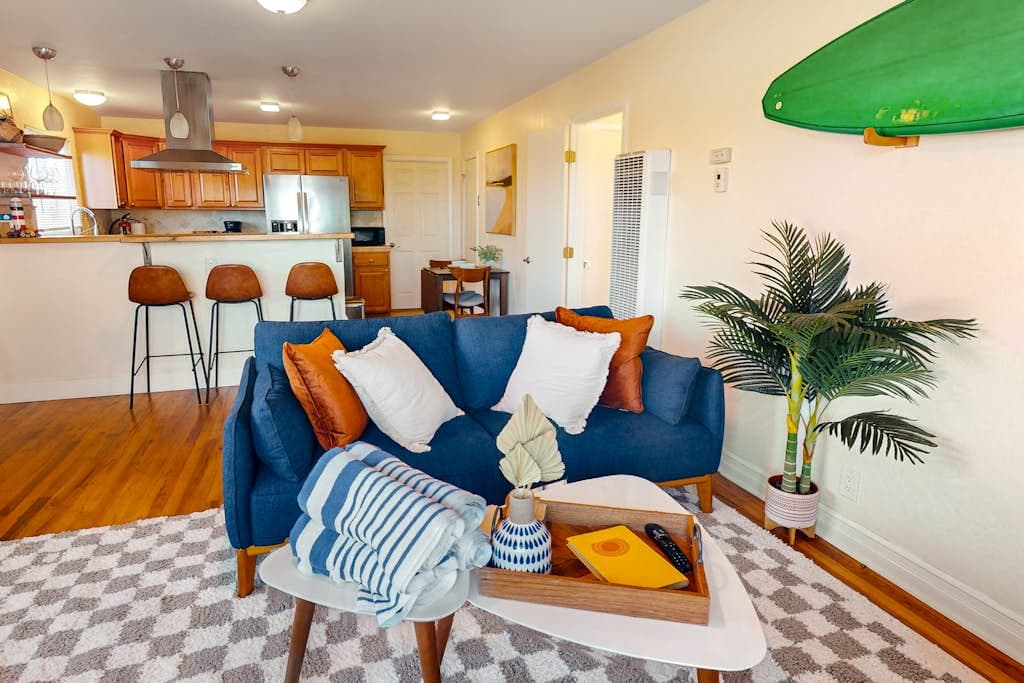
Deep Blue Seaside
5.0
Monterey, CA
2 beds · 1.0 baths · 4 guests
Select dates to view pricing

We use cookies. We use cookies, including analytics, to improve your experience.
Casago SoCal, a DBA of Acme CA Vacations, Inc. · Michael Flannery · CA DRE #02439360
MidStays lists verified, fully furnished homes across Monterey, Pacific Grove, Carmel-by-the-Sea, Carmel Valley, Santa Cruz, Capitola and Aptos for stays of 29 nights to eleven months. Each home is inspected by a local manager against its listing before you arrive.
Every home is inspected by a local manager before you arrive. The photos are the home.
A real person on the Monterey Bay coast stands behind your home, before your stay and at 9pm on day 40.
Four plain facts about a MidStays stay in Monterey, Carmel and Santa Cruz.
Monterey, CA
2 beds · 1.0 baths · 4 guests
Select dates to view pricing
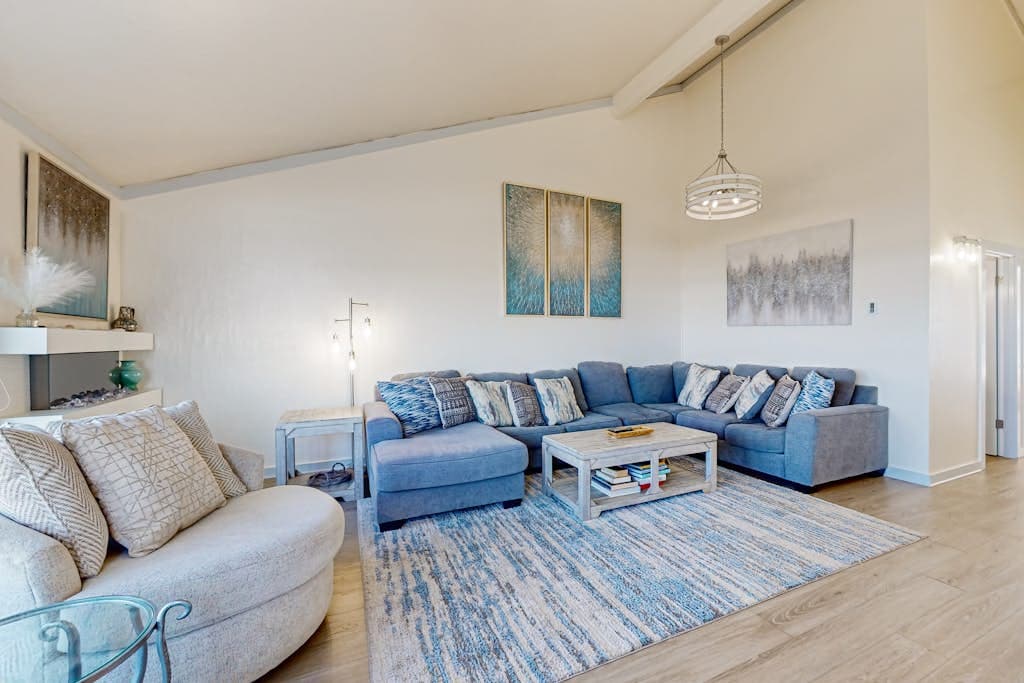
Moss Landing, CA
3 beds · 3.0 baths · 6 guests
Select dates to view pricing
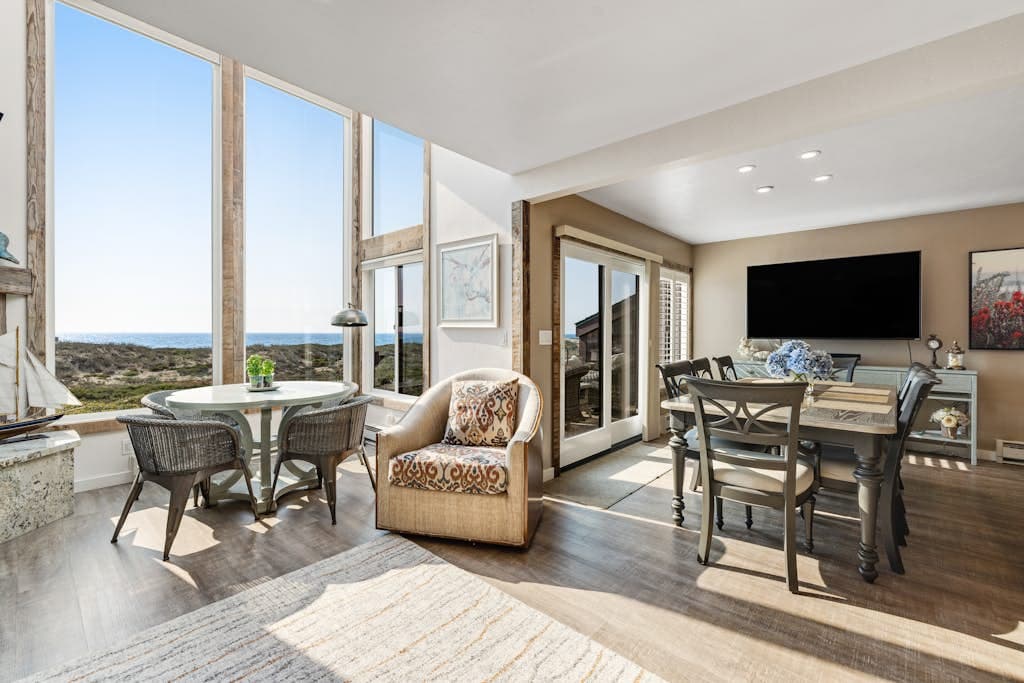
Moss Landing, CA
4 beds · 3.0 baths · 8 guests
Select dates to view pricing
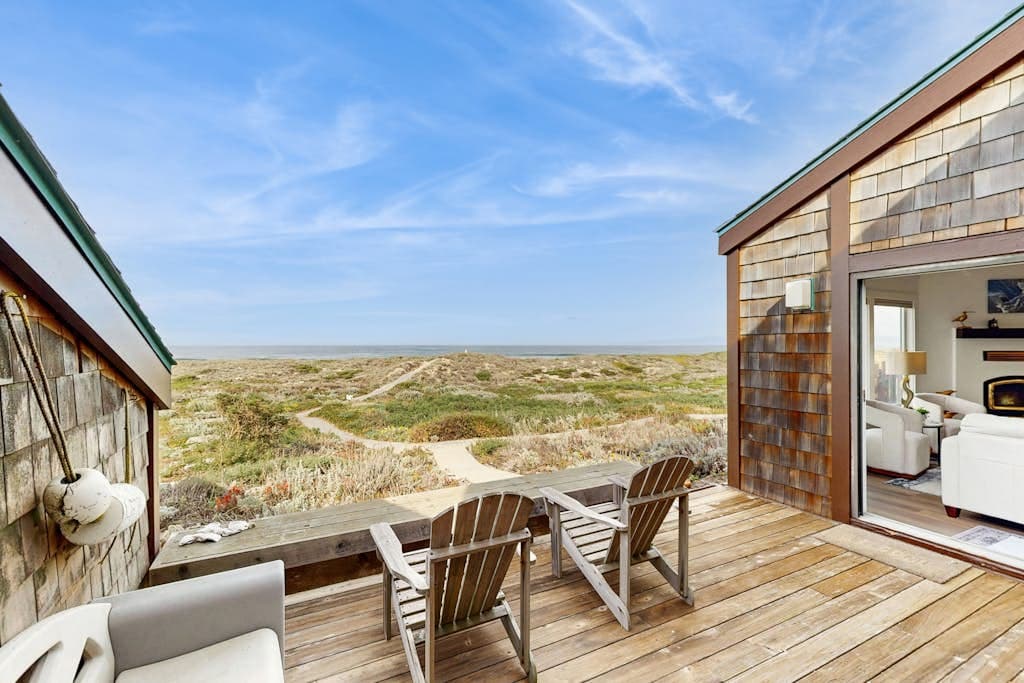
Moss Landing, CA
2 beds · 2.0 baths · 6 guests
Select dates to view pricing
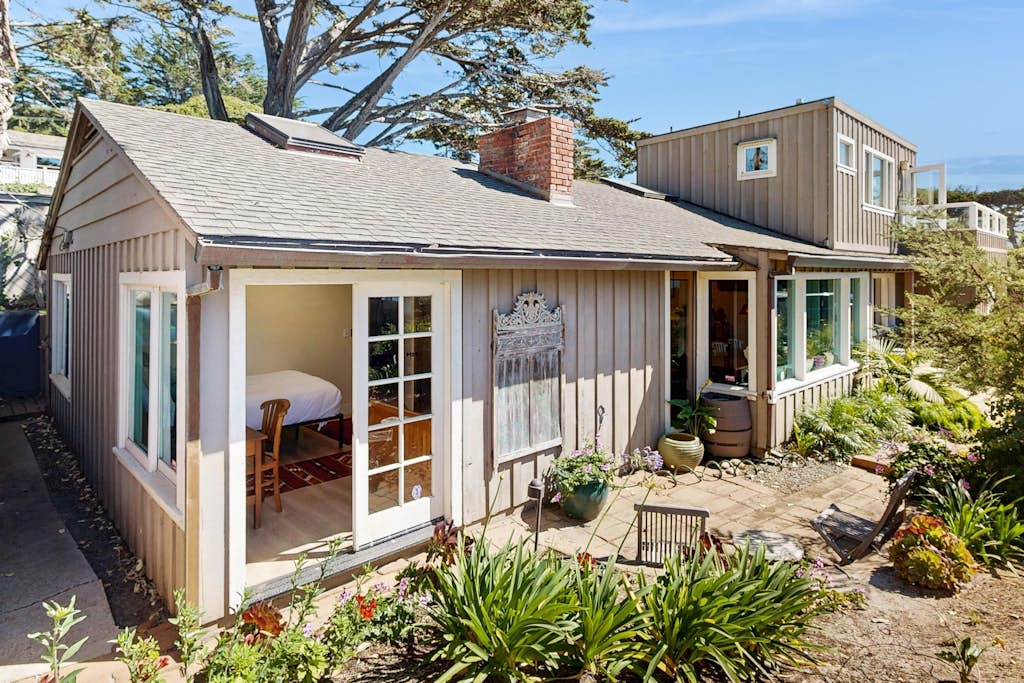
Carmel-by-the-Sea, CA
3 beds · 3.0 baths · 8 guests
Select dates to view pricing
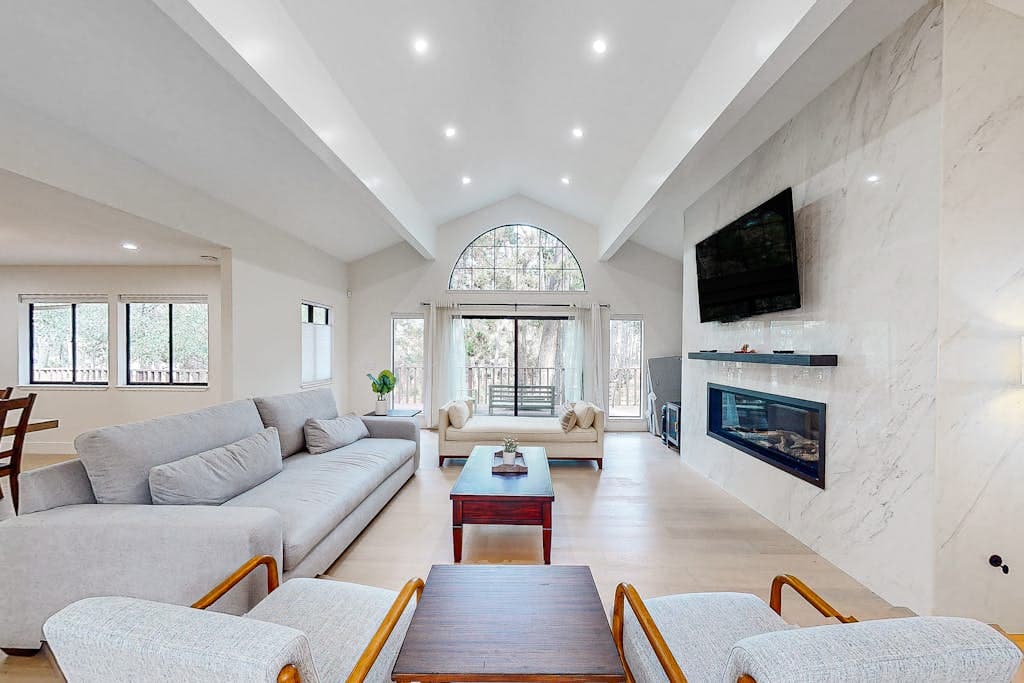
Pebble Beach, CA
4 beds · 3.0 baths · 10 guests
Select dates to view pricing
A month or more on the Monterey Bay coast puts you beside the most dramatic shoreline in California (Point Lobos, Big Sur, the granite coves of the 17-Mile Drive), with real working towns behind it rather than a resort strip. MidStays lists verified furnished homes from Santa Cruz to Carmel Valley for stays of 29 nights to eleven months.
The region is two halves joined by Highway 1 around the curve of the bay. The Monterey Peninsula end holds Monterey, Pacific Grove, Seaside and Carmel-by-the-Sea, with Carmel Valley running inland into warmer, drier hills. The northern end is Santa Cruz, Capitola and Aptos, closer to the Bay Area and noticeably different in character. Monterey Regional Airport handles regional connections, and San Jose Mineta is the practical choice for longer flights.
This is a good fit for a remote worker who needs a real desk and a real kitchen, for someone on a project assignment or relocating ahead of a home purchase, and for a healthcare traveler on a 13-week contract who wants a town worth walking in after a shift. Cannery Row and the Monterey waterfront give the peninsula a year-round working feel that survives the off-season. If what worries you is inconsistency (one furnished booking immaculate, the next one tired and nothing like its photos), that is precisely what the inspection standard here addresses: a local property manager checks each home against its listing before you arrive. See what's included in every MidStays home, how MidStays verification works, and how monthly stays work for a project assignment or relocation.
Now the honest part, because more people get this region wrong than any other in California. This coast is famously cool and foggy, and it does not have a reliably warm summer; if you are picturing beach heat you have the wrong region. Fog can sit for days, especially in the mornings, and July and August are often cooler than September and October, which are the genuinely clearest months. It is expensive, long-stay inventory is limited, and winter brings real storms. Highway 1 between Santa Cruz and Monterey is slow, and the region is spread out.
Standard in every home
Monterey Bay is an expensive place to spend three months, so it is worth being precise about what you are comparing. Here is how a MidStays home sits against the alternatives, and how MidStays pricing works explains exactly what a quote contains.
| For a stay of a month or more | MidStays | Extended-stay hotel | 12-month lease | Monthly Airbnb |
|---|---|---|---|---|
| Full kitchen | Yes: full-size range, fridge, dishwasher, cookware | Kitchenette at best | Yes, but unfurnished | Varies by host |
| In-home laundry | Yes: washer and dryer in the home | Shared coin laundry | Sometimes | Varies by host |
| Furnished | Fully: move in with two suitcases | Yes, institutionally | No: buy it and dump it | Usually |
| Inspected before arrival | Yes, by a local manager | Housekeeping standard | You inspect it | No |
| Someone answers at 9pm on day 40 | Yes: your local manager | Front desk | Landlord, eventually | Often no one |
| Commitment | 29 nights to 11 months | Nightly, priced up over time | 12 months | Host's discretion |
Neighborhoods
This is three distinct coasts on one bay, and fog, price and drive time all change between them. Base yourself near the reason you came, because crossing the bay daily gets old fast.
 Better value
Two ordinary, useful residential areas (Aptos on the Santa Cruz side, Seaside on the peninsula) where a monthly budget generally stretches further. Less postcard, more practical, both close to the water.
 Village coast
Cottage-lined lanes, a white-sand beach at the bottom of the hill and walkable dining. It is small, it is expensive and it is short on practical shopping, so plan on driving to Monterey for a full grocery run.
 Warmer inland
Inland along the Carmel River, where the fog usually stops and the sun holds. Oak hills, vineyards, more space and more quiet, in exchange for a drive to the coast and to almost every errand.
 Practical peninsula
The most practical base on the peninsula: supermarkets, medical care, gyms and coworking, plus the shoreline path and Cannery Row on your doorstep. Pacific Grove is quieter and residential, and both stay busy through winter.
 Northern bay
The liveliest end of the bay, with surf beaches, a university-town energy and the best coffee-and-work culture in the region. Capitola is smaller and softer. Parking and traffic are the everyday trade.
Day-to-day life is easiest in Monterey, Seaside and Santa Cruz, where full-size supermarkets, chain pharmacies, gyms and medical offices are concentrated. Carmel-by-the-Sea and Capitola are lovely and small and short on practical shopping. Carmel Valley means driving for nearly every errand. Farmers' markets run on set weekdays in several towns and become how you shop for produce over a long stay.
For healthcare, Monterey and Santa Cruz are the two hubs, and that is where hospital and specialist care are concentrated. If you are arriving on a clinical contract or managing an ongoing condition, being a short drive from Monterey or Santa Cruz matters more than being close to the water. Pharmacies are straightforward in the larger towns and sparse in the small villages, which is worth knowing before you choose Carmel-by-the-Sea over Monterey.
Recreation is the region's outright strength over 30-plus days. Point Lobos State Natural Reserve has the best short coastal walking in California, the paved shoreline path around the Monterey Peninsula is excellent for running and cycling, Santa Cruz and Capitola have the surf, and Big Sur is farther down Highway 1 for bigger days out. Gyms and studios cluster in Monterey, Seaside and Santa Cruz. Coworking exists in Monterey and Santa Cruz rather than the villages, and home internet in town is generally good, but if your work depends on it, ask your local manager to confirm the actual connection at that specific address before you book.
You need a car, and you should expect the driving to take longer than the map suggests: Highway 1 between Santa Cruz and Monterey is slow, and the region is genuinely spread out. Month by month: September and October are the clearest, warmest and best months of the year here; November through March is cool and wet, with real Pacific storms and occasional road closures along Highway 1; spring is green, bright and windy; and June through August is fog season, when mornings are gray and the afternoon may or may not clear. Read the Monterey, Carmel and Santa Cruz monthly living guide, see how a 13-week contract stay works, or compare other MidStays destinations in California and Arizona.
Simple by design
Worth knowing
Over a month or more the famous coast becomes your walk rather than your itinerary. These three reward repeat visits in a way a single drive does not.
 Coastal trails
Granite coves, cypress and clear water just south of Carmel-by-the-Sea. Short loops with more coastline per mile than anywhere else on this shore.
 Coast drive
South of Carmel the mountains fall straight into the ocean and Highway 1 threads the cliffs. Check conditions before you go: winter storms close sections of this road.
 Peninsula
The rocky western edge of the Monterey Peninsula, where lone cypress stand on pale granite above the surf. Walkable in stretches and a short outing from Pacific Grove.
 Area guide
The full picture: seasons, access, and which of these you actually use over thirty days.
Eating here
Over a month you want a waterfront habit, an inland table and a market you shop weekly. On this bay those sit in three different towns.
 Dining
The old sardine-canning strip is now where the peninsula eats and walks by the water. Busy in summer, much better in the clear autumn months when it belongs to residents again.
 Dining
Inland where the fog stops and the sun holds, the valley's tasting rooms cluster close together for a slower, sunnier evening out, worth planning the drive around.
 Food
FoodThe westside and downtown are full of coffee places people actually work from, and the weekly farmers' markets around Santa Cruz and Capitola are the best produce shopping on the bay.
 Area guide
Districts, markets and morning habits, written for a month rather than a weekend.
Seasonal rhythm
This coast runs long natural seasons rather than one headline weekend, and both of these last for months. Confirm current dates locally before you plan around either.
 Each autumn into winter
Each autumn monarch butterflies gather in the sheltered coastal groves around Pacific Grove and stay through the winter. It is one of the quiet pleasures of a cool-season stay here.
 Winter into spring
Gray whales pass close to this coast on their annual migration through winter and into spring. The bluffs around Pacific Grove and Point Lobos are good vantage points on a clear morning.
 Area guide
Which months fill up, which are quiet, and what to time a stay around.
Before you arrive, a local property manager on the Monterey Bay coast inspects the home against the listing: the kitchen, the washer and dryer, the wifi, the parking, the condition of every room. That inspection is what "verified" means on MidStays, and it is why the photos are the home.
During your stay, that same local manager is who you reach when the dishwasher stops draining on a Sunday. Not a call center reading a script in another time zone, but someone who can be at the property.
More on the standard behind every listing: MidStays trust and safety · questions people ask before booking a monthly stay
From the local guide
Twenty-nine nights. Every MidStays home in Monterey, Pacific Grove, Carmel-by-the-Sea, Carmel Valley, Santa Cruz, Capitola, Aptos and Seaside is booked for a minimum of 29 nights, and most stays run from one to eleven months. There is no shorter option on MidStays anywhere.
September and October, without much argument: they are the clearest and warmest months of the year here. The honest catch is that this coast is cool and foggy and has no reliably warm summer: June through August often runs cooler than autumn, with fog sitting for days at a time. Winter is cool, wet and brings real Pacific storms.
Monterey and Pacific Grove are the most practical on the peninsula, with services, medical care and coworking close by. Carmel-by-the-Sea is the most walkable and the most expensive. Carmel Valley trades a drive for warmth and sunshine. Santa Cruz and Capitola suit anyone who wants a livelier town, and Aptos and Seaside generally offer better value.
No. Utilities and any applicable fees are shown on each home's listing and in your quote before you book. Nothing is bundled into a flat figure. You see the rent for your dates alongside any fees, deposits and taxes set by that specific property before you commit to anything.
Yes. In-home laundry is a standard on every MidStays home, here and in every other destination. There is a washer and dryer inside the home: no shared machines, no coin slots, no laundromat. A local manager confirms both are working when the home is inspected before your arrival.
Many homes on this coast are pet-friendly, but it varies by listing, so filter for it and check the individual home. Pet terms, any pet fees and the number and size of animals allowed are set by each property and shown before you book. Carmel-by-the-Sea in particular is unusually welcoming to dogs.
Yes. Local buses connect the larger towns, but the region is spread out, Highway 1 between Santa Cruz and Monterey is slow, and the difference between a foggy morning at the coast and sunshine in Carmel Valley is a drive. Groceries, trailheads and appointments all assume you have a car.
Four ways into Monterey, written for a stay of a month or more rather than a weekend. Each one collects the guides behind it.
 Stories & GuidesWhere to base yourself, how errands actually work, and the shape of a normal week.4 guides
 Top AttractionsThe outdoors and the landmarks, ranked by how much use they get over thirty days.3 guides
 Local FavoritesThe districts and corridors people who live here actually use.4 guides
 Signature EventsThe seasons and events worth timing a stay around, and the months to avoid.2 guides
Written for people living here a month or more, not visiting for a weekend.
Search verified, fully furnished homes from Santa Cruz to Carmel Valley for 29 nights to eleven months. Inspected by a local manager before you arrive.
Find My Stay